
Dwelling Protection
Can help pay to repair or rebuild a roof, walls or floors after a covered fire or storm.
See details
From the shingles to the sofa, a home insurance policy carries a limit for every part of your place. Set each limit to match your own house and what you keep in it.
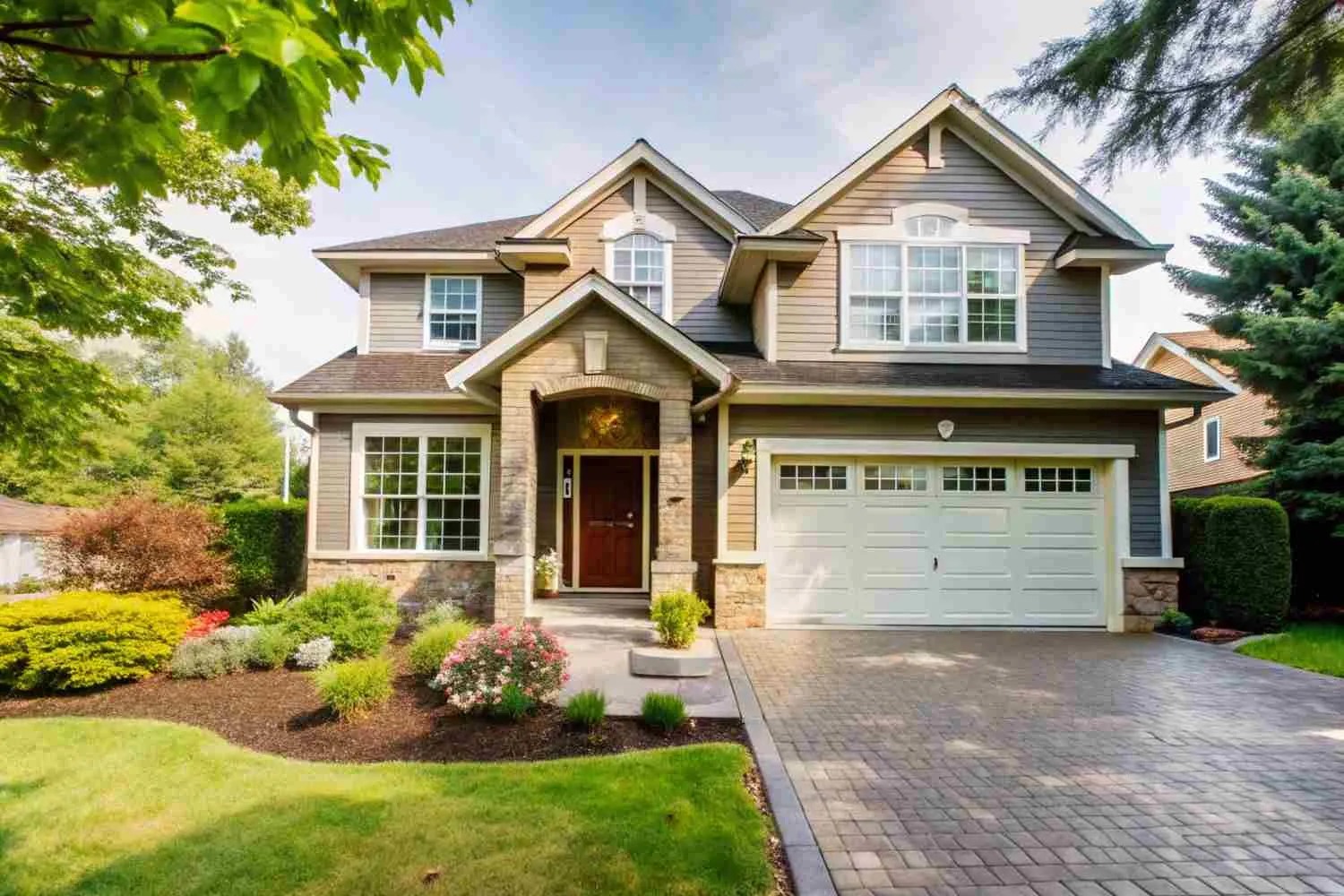
Home insurance is a set of separate promises: one for the structure, one for what is inside it and one for injuries on your property. I go through each part with you, so you know where your limits sit.
Can help pay to repair or rebuild a roof, walls or floors after a covered fire or storm.
See details
May help replace furniture, clothing and electronics that are stolen or damaged at home.
See details
Can help with medical or legal costs when a guest is injured somewhere on your property.
See details

Fill in the signup form with the basics: the year your house was built, the roof type and how it is used.
I set dwelling, belongings and liability limits by what the house and its contents could cost to replace.
Choose a deductible you could manage after a loss, look over the policy details and confirm your request.
Detached garage
Getting home insurance here was clear to follow. My detached garage has its own limit now, and I know why it is there.
Home with a detached garage
Belongings cover
My last home policy barely covered my furniture. The new one carries a belongings limit that fits what I actually own.
Townhouse owner
After a remodel
Once the kitchen remodel was done I updated my home insurance here. The rebuild amount now matches the finished house.
Older two-story home
Liability cover
I wanted home insurance that covers guests on my front steps. The liability part was explained before I chose a limit.
First-time homeowner
Usually not. A dwelling limit is based on what it could cost to rebuild the structure, and land does not need rebuilding. That is why the limit can sit below the price you paid for the property.
Replacement cost can pay for a new item of a similar kind. Actual cash value takes off wear and age first, so the payout on an older roof, sofa or appliance may come out a good deal smaller.
In most cases it is not. Water rising from outside is commonly excluded and handled by a separate flood policy, while a pipe that bursts indoors without warning is often treated differently.
Many policies extend personal property cover to things you take with you, such as a laptop stolen on a trip. The limit away from the house can be lower, so it is worth checking the amount.
Policies often carry a vacancy clause. Once a home is left unoccupied past the period named in the policy, some damage, such as vandalism or frozen pipes, may no longer be covered at all.